Memorial Day is one of the most important occasions in America. It’s a day when we pause to honor the brave soldiers and military personnel who gave their lives defending our country. Whether you’re hosting a school assembly, organizing a community event, or leading a formal ceremony, having a well-prepared anchoring script sets the right tone for the entire program.
A strong anchoring script helps you guide the audience smoothly through the program while maintaining respect and dignity. It’s not just about reading lines—it’s about delivering them with feeling and connecting emotionally with your listeners. This guide provides you with complete, ready-to-use Memorial Day anchoring scripts that sound natural and professional.
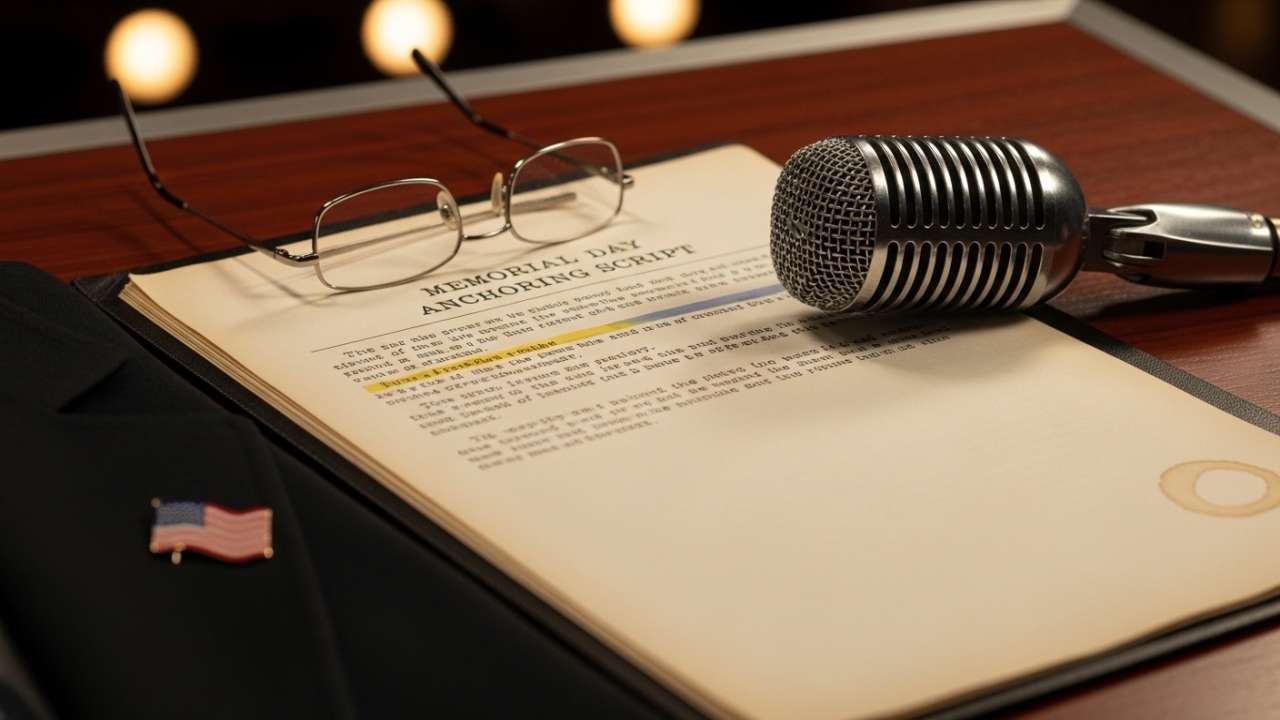
Understanding the Purpose of a Memorial Day Anchoring Script
Before diving into the script itself, let’s understand what makes a good Memorial Day anchor script different from other event scripts.
Memorial Day requires a different approach than celebration-based events like Independence Day or Annual Day functions. The tone needs to be respectful and reflective, not cheerful or energetic. You’re not trying to excite the audience—you’re trying to move their hearts and minds toward remembrance and gratitude.
A strong anchor script should:
- Start with a warm, respectful greeting
- Introduce the day’s significance clearly
- Guide listeners through each program element smoothly
- Maintain a solemn but not depressing tone
- End with a powerful message that leaves a lasting impression
Also Read:- Teacher Retirement Speech 2026: Emotional Farewell Speech with Funny Moments & Shayari
Complete Memorial Day Anchoring Script: School Assembly Version
Here’s a ready-to-use script for school morning assemblies:
Opening Remarks
Anchor 1: Good morning, respected Principal Madam/Sir, honored guests, teachers, and my dear friends.
My name is [Your Name] from class [Your Class], and I’m honored to welcome you all to our special morning assembly today. We gather here on this meaningful day to remember and honor the brave men and women who gave their lives serving our nation.
Anchor 2: Thank you, [First Anchor’s Name]. Yes, Memorial Day is not just another holiday. It’s a day that reminds us of the tremendous sacrifice made by our soldiers. While many people enjoy the long weekend, we must never forget the true meaning of this day—remembering those who died in service to our country.
Anchor 1: Today, we celebrate their courage, their dedication, and their love for our nation. Through our program, we want to pay tribute to their memory and inspire ourselves to live with the same values of service and patriotism.
Anchor 2: Before we begin, let’s start with a moment of silence. I request everyone to stand, and for the next minute, let’s bow our heads in respect of all those brave heroes.
[Pause for one minute of silence]
Anchor 1: Thank you. Please be seated.
Introducing the Flag Hoisting Ceremony
Anchor 2: Now, let’s move to one of the most important moments of our assembly—the flag hoisting ceremony. The American flag is a symbol of freedom, sacrifice, and national pride. Many soldiers lost their lives under this flag.
I would like to invite our Chief Guest and Principal to come forward and hoist our National Flag.
Anchor 1: Please, everyone, stand for the National Anthem.
[After National Anthem]
Anchor 1: Thank you. You may be seated.
Introducing Speeches and Performances
Anchor 2: Now, let’s hear from someone who understands the true value of service and sacrifice. I invite [Guest Name/Principal Name] to share their thoughts about Memorial Day with us.
[After the speech]
Anchor 1: Thank you so much for those inspiring words, Sir/Madam. Your message reminds us why remembrance is so important.
Next, we have a special performance from our students. This patriotic song celebrates the spirit of our fallen heroes. Please welcome [Class/Group Name] with a round of applause.
Introducing Different Program Elements
For Dance Performance: “Our students have worked hard to prepare a meaningful dance that honors the bravery of our service members. Please welcome them with a warm round of applause.”
For Skit/Drama: “Now we’ll witness a powerful skit that brings us back to history. It shows the sacrifices made by our freedom fighters and soldiers. Please welcome [Class Name].”
For Quiz/Discussion: “Let’s test our knowledge about Memorial Day history. I invite [Student Name] to conduct a quick quiz. Who can tell me when Memorial Day was first observed?”
Closing Remarks
Anchor 1: As we wrap up our assembly today, let’s reflect on what we’ve learned. Memorial Day teaches us that freedom is never free. Someone has always paid the price for the freedoms we enjoy.
Anchor 2: It also teaches us about unity. On this day, Americans from all walks of life come together to honor the fallen. We set aside our differences and celebrate our shared values of freedom, democracy, and patriotism.
Anchor 1: So as you leave this assembly, I want to ask you: How will you honor the memory of our fallen heroes? Will you live with purpose? Will you stand up for what’s right? Will you serve your community?
Anchor 2: Let’s remember General George S. Patton’s words: “It is foolish and wrong to mourn the men who died. Rather, we should thank God that such men lived.” Let us be grateful for their service and strive to live up to their example.
Both Anchors Together: Thank you all for being part of this solemn remembrance. We are grateful for your presence and your respect. Let us never forget those who gave their lives for our nation. Thank you.
Alternative: Shorter Memorial Day Anchoring Script (5-7 Minutes)
If you have limited time, here’s a condensed version:
Anchor 1: Good morning, everyone. Today is Memorial Day, a day when we remember the men and women who died serving our country. These heroes gave the ultimate sacrifice so we could live in freedom.
Anchor 2: Let’s take a moment to honor them. Everyone, please stand for one minute of silence.
[One minute of silence]
Anchor 1: Thank you. The flag hoisting will now begin.
[Flag hoisting ceremony]
Anchor 2: Now, let’s listen to [Guest/Principal] share a few words about the significance of this day.
[Speech]
Anchor 1: Our students have prepared a tribute performance. Please welcome them.
[Performance]
Anchor 2: As we conclude, remember that Memorial Day is about gratitude and reflection. Let’s honor the fallen by living with purpose and serving our nation.
Both: Thank you all. Let’s remember, let’s honor, let’s be grateful.
Also Read:- St. Patrick’s Day Anchoring Script for School Events: Complete Guide with Ready-to-Use Templates
What Makes a Good Anchoring Script: Key Tips
Sound Natural: Avoid reading like a robot. Use words you’d actually say in conversation. Don’t say “In this assembly we will discuss…” Instead, say “Today, let’s talk about…”
Pace Your Delivery: Speak slowly and clearly. Especially during respectful moments like the minute of silence. Don’t rush through important lines.
Use Emotion Wisely: You don’t need to sound sad or depressed. Instead, sound sincere and respectful. Let your voice reflect the importance of the occasion.
Engage the Audience: Ask questions. Make them think. “How will you honor these heroes?” gets their attention better than just stating facts.
Transitions Matter: Use natural phrases to move between segments. “Next, let’s…” or “Now I’d like to introduce…” helps the program flow smoothly.
How to Customize This Script for Your Event
The script above is a template. Here’s how to make it your own:
- Add Local Heroes: If possible, mention fallen soldiers from your community. This makes the message more personal and meaningful.
- Include Student Voices: Let different students deliver different parts. This gives more students a chance to participate and keeps the audience engaged.
- Add Specific Performances: The script mentions “performance,” but you might have a song, dance, or skit. Describe it specifically in your script.
- Connect to Your School’s Values: If your school emphasizes community service, tie Memorial Day values to that. Make it relevant to your students’ lives.
- Insert Guest Information: If you have a guest speaker, introduce them with their title and connection to the topic. “We have Colonel [Name] with us today, who served in the armed forces for 25 years.”
Common Questions About Memorial Day Anchoring
What’s the difference between Memorial Day and Veterans Day?
Memorial Day honors those who died in military service. Veterans Day celebrates all who have served. A good Memorial Day script focuses specifically on remembrance and sacrifice, not general celebration.
How long should a Memorial Day anchoring script be?
For a school assembly, 10-15 minutes works well. For a formal ceremony, 20-30 minutes. Always leave time for other program elements like speeches, performances, and moments of silence.
Should I include prayers in the script?
Only if your event is in a faith-based setting. For school assemblies, keep it secular and respectful to all backgrounds. A moment of silence works for everyone.
What tone should I use?
Respectful and reflective, but not depressing. You want the audience to feel moved and thoughtful, not sad or uncomfortable. Strike a balance between honoring loss and celebrating lives lived.
Can I use humor in the script?
Minimal. You might use a light moment when introducing a student performance, but keep the overall tone serious and respectful. This isn’t a time for jokes.
What if I’m nervous about anchoring?
Practice beforehand. Read it out loud several times. Time yourself. Get feedback from a teacher or mentor. Remember, sincerity matters more than perfection. The audience will appreciate your genuine respect for the occasion.
FAQ Section (Schema Optimized)
Q: Can I modify these scripts for different audiences? A: Absolutely. The scripts work for school assemblies, community events, and formal ceremonies. Simply adjust the length and complexity based on your audience’s age and the event’s formality level.
Q: Where can I find information about guest speakers for Memorial Day events? A: Contact local veterans’ organizations, military bases, or retired military personnel in your community. Many are honored to share their stories on Memorial Day.
Q: How do I handle emotional moments during the assembly? A: It’s normal for people to feel emotional. Have tissues available and don’t rush through moments of silence. If a guest becomes emotional while speaking, pause respectfully and allow them time to compose themselves.
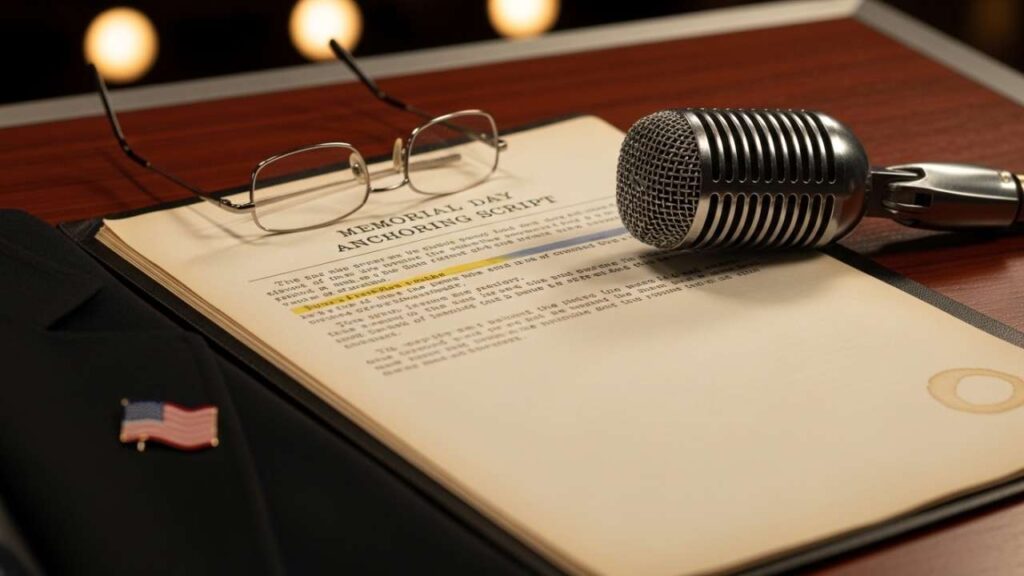
Q: What should I wear when anchoring a Memorial Day event? A: Dress formally and respectfully. Traditional colors are black, white, navy, or patriotic colors. Many people wear a small flag pin or patriotic accessory.
Q: Can two anchors share the script? A: Yes, and it’s often better. Two anchors can alternate lines, keep the energy flowing, and share the responsibility. Make sure you practice together so the transitions are smooth.
Q: How do I make sure everyone understands the significance? A: Use clear, simple language. Avoid overly complex sentences. Connect the message to students’ own experiences when possible. “Imagine losing someone you love in service to the country…” helps people grasp the real human impact.