
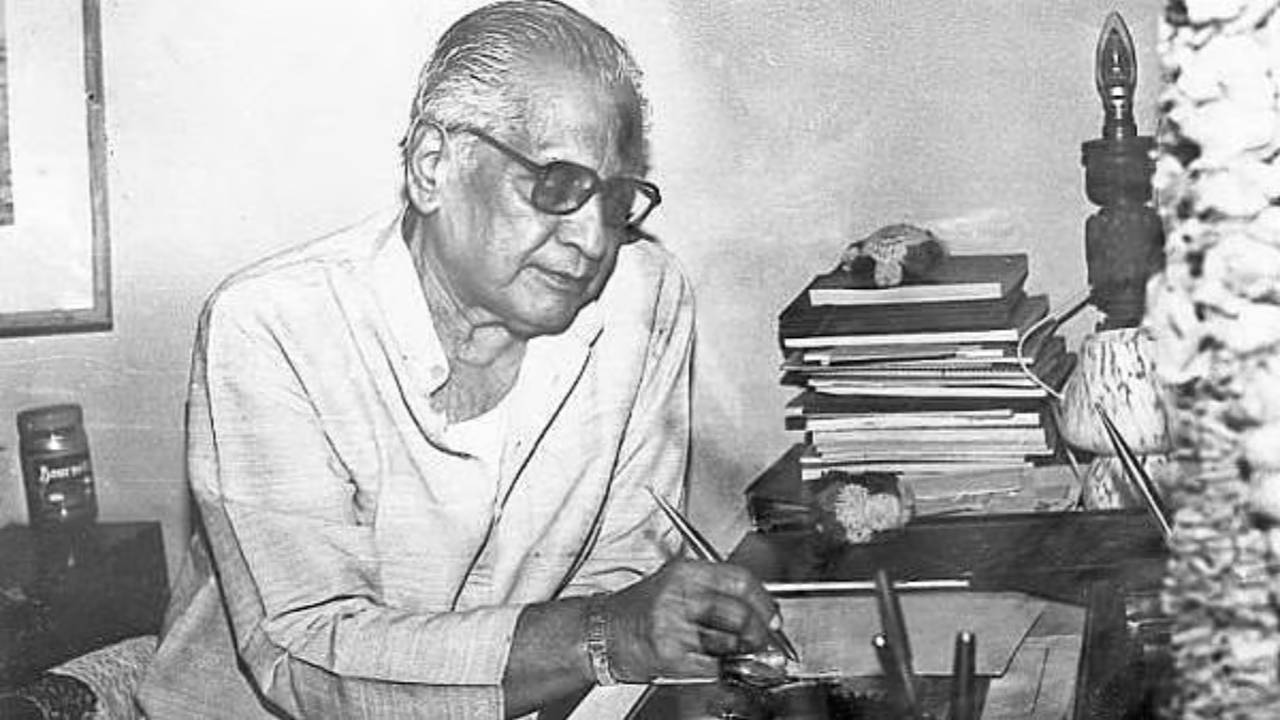
Every year on February 27, schools across Maharashtra transform into vibrant cultural hubs celebrating Marathi Bhasha Gaurav Din (Marathi Language Pride Day). This special day honors the birth anniversary of Vishnu Vaman Shirwadkar, popularly known as Kusumagraj, the legendary Jnanpith Award-winning poet who transformed Marathi literature forever.
In 2026, as we step into an increasingly digital world, the celebration of our mother tongue becomes even more crucial. For students anchoring this event, the challenge lies in balancing pure Marathi (showing respect for tradition) with simple English (ensuring everyone understands), especially in bilingual schools.
This comprehensive guide provides everything you need: complete anchoring scripts (sutrasanchalan), speech samples in both languages, celebration ideas, and pro tips to make your February 27, 2026 event truly memorable.
Who Was Kusumagraj? The Legend Behind Marathi Bhasha Din
Early Life and Literary Journey
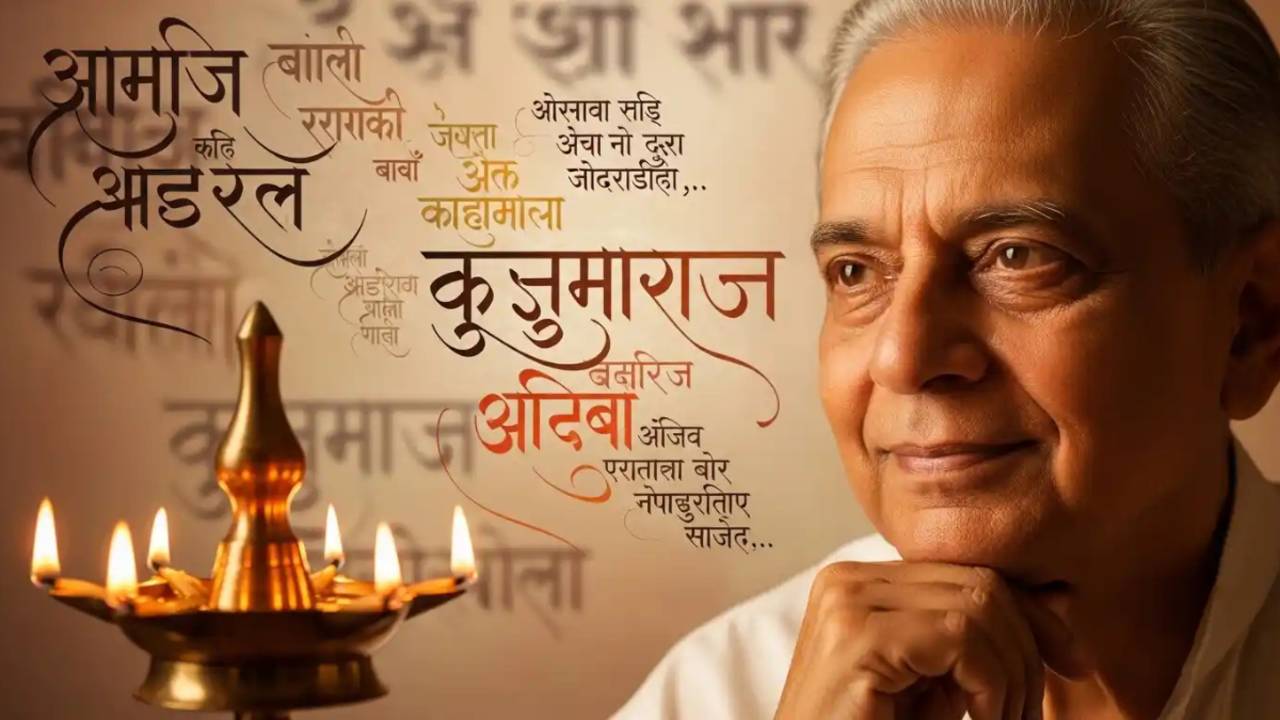
Vishnu Vaman Shirwadkar was born on February 27, 1912, in Nashik, Maharashtra. Originally named Gajanan Ranganath Shirwadkar, he was adopted by his uncle Vaman Shirwadkar. His pen name “Kusumagraj” was a heartfelt tribute to his beloved younger sister Kusum.
Literary Achievements That Shook India
In a remarkable career spanning five decades (1930s-1990s), Kusumagraj created an incredible literary legacy:
- 16 volumes of poetry including the revolutionary “Vishakha” (1942)
- 3 novels including the acclaimed “Vaishnav”
- 8 volumes of short stories
- 18 full-length plays including the masterpiece “Natsamrat”
- 6 one-act plays
- 7 volumes of essays
Why His Work Still Matters Today
Kusumagraj’s most famous work, “Vishakha” (1942), was published during the Quit India Movement. His poetry became a manifesto of freedom, inspiring millions with messages of liberation, justice, and equality. The legendary Vishnu Sakharam Khandekar published it at his own expense, describing Kusumagraj as “a poet of humanity.”
His play “Natsamrat” (inspired by Shakespeare’s King Lear) remains a rite of passage for Marathi theater actors. Legends like Dr. Shriram Lagoo and Nana Patekar immortalized this role on stage.
Awards and Recognition
- Jnanpith Award (1987) – India’s highest literary honor
- Padma Bhushan (1991) – Third-highest civilian award
- Sahitya Akademi Award (1974) – For “Natsamrat”
- Ram Ganesh Gadkari Award (1985)
- A star named “Kusumagraj Tara” in the Gemini constellation (1996)
The Maharashtra government declared his birthday as Marathi Bhasha Gaurav Din on January 21, 2013, two years after his death in 1999.
Complete Marathi Bhasha Din Anchoring Script 2026 (Bilingual Sutrasanchalan)
Pre-Program Preparations
Dress Code:
- Girls: Traditional Nauvari saree or Marathi-style kashta saree
- Boys: Kurta-pajama with saffron/orange Pheta (turban)
- Teachers: Traditional Marathi attire
Stage Decoration:
- Orange/saffron backdrop with “मराठी भाषा गौरव दिन” banner
- Marigold flowers (Zendu) decoration
- Portrait of Kusumagraj
- Display of famous Marathi books (Vishakha, Natsamrat, etc.)
- Rangoli with traditional Maharashtrian designs
PART 1: Opening and Welcome (Prastavana)
Anchor 1 (in Marathi):
नमस्कार!
“लाभले अम्हास भाग्य बोलतो मराठी,
झालो खरंच धन्य ऐकतो मराठी.”
सर्व प्रथम, आमच्या आदरणीय प्राचार्य महोदय/महोदया, सर्व शिक्षक-शिक्षिकांना आणि माझ्या प्रिय मित्र-मैत्रिणींना मी अंतःकरणपूर्वक अभिवादन करते.
Anchor 2 (in English):
A very good morning to our esteemed Principal, respected teachers, and my dear friends. Today is a day of immense pride for every Marathi-speaking person across the globe.
Anchor 1 (in Marathi):
आज फेब्रुवारी 27, 2026. हा दिवस आपण मराठी भाषा गौरव दिन म्हणून साजरा करत आहोत. हा दिवस महान कवी, नाटककार आणि ज्ञानपीठ पुरस्कार विजेते कुसुमाग्रज यांच्या जन्मदिवसानिमित्त साजरा केला जातो.
Anchor 2 (in English):
February 27 marks the birth anniversary of Vishnu Vaman Shirwadkar, fondly known as Kusumagraj. The Maharashtra government declared this day as Marathi Language Pride Day in 2013 to honor his monumental contribution to Marathi literature and culture.
PART 2: Lamp Lighting Ceremony (Deep Prajwalan)
Anchor 1 (in Marathi):
कोणत्याही शुभ कार्याची सुरुवात आपण देवीच्या आशीर्वादाने करतो. मी विनंती करतो की आपले आदरणीय प्राचार्य महोदय/महोदया आणि मान्यवर शिक्षक यांनी सरस्वती देवीचा दिवा प्रज्वलित करून या कार्यक्रमाला शुभारंभ द्यावा.
Anchor 2 (in English):
I request our respected Principal along with our esteemed teachers to grace the occasion by lighting the lamp and seeking blessings from Goddess Saraswati, the deity of knowledge and wisdom.
(Background Music: Instrumental Veena or Sitar)
Anchor 1 (in Marathi):
“या दीपप्रज्वलनाबरोबर आपण सर्वजण मराठी भाषेच्या गौरवाची, संपन्नतेची आणि सांस्कृतिक वारशाची जपणूक करण्याची शपथ घेऊया.”
PART 3: Saraswati Vandana
Anchor 2 (in English):
To begin our cultural program, we shall now invoke the blessings of Maa Saraswati through a melodious Saraswati Vandana. I request all to stand and join us in prayer.
(Students perform Saraswati Vandana)
Anchor 1 (in Marathi):
“या शब्दातुन, या शास्त्रातुन…”
देवीच्या कृपेने आज आपला कार्यक्रम सफल होवो.
PART 4: Welcome Speech by Principal
Anchor 2 (in English):
We are blessed to have with us our guiding light and mentor. I request our respected Principal, (name), to address the gathering and share valuable thoughts on this auspicious occasion.
(Principal’s speech)
Anchor 1 (in Marathi):
आदरणीय प्राचार्य महोदयांचे मार्गदर्शक विचार ऐकून आपण सर्वजण अधिक प्रेरित झालो. त्यांचे आभार!
PART 5: Speech on Kusumagraj’s Life and Contribution
Anchor 2 (in English):
To enlighten us about the remarkable life and literary achievements of Kusumagraj, I welcome _(Student Name from Class __) to the stage.
Sample Student Speech (in Marathi) – 2-3 Minutes
Speaker:
आदरणीय प्राचार्य महोदय, सन्माननीय शिक्षक-शिक्षिका आणि माझ्या प्रिय मित्र-मैत्रिणींनो,
आज मराठी भाषा गौरव दिन आहे. हा दिवस महाराष्ट्राच्या गौरवाचा, मराठी साहित्याच्या संपन्नतेचा आणि आपल्या मायबोलीच्या अभिमानाचा दिवस आहे.
कुसुमाग्रज म्हणजे फक्त एक कवी नव्हते, तर ते एक युगपुरुष होते. त्यांचा जन्म 27 फेब्रुवारी 1912 रोजी नाशिक येथे झाला. त्यांचे खरे नाव विष्णू वामन शिरवाडकर होते, परंतु आपल्या लहान बहिणीच्या नावावरून त्यांनी कुसुमाग्रज हे टोपण नाव घेतले.
त्यांची सर्वात प्रसिद्ध कृती “विशाखा” (1942) ही भारताच्या स्वातंत्र्य चळवळीतील तरुणांसाठी प्रेरणास्थान ठरली. या कवितासंग्रहाने लाखो लोकांना स्वातंत्र्याचे स्वप्न पाहायला शिकवले. त्यांनी लिहिलेले नाटक “नटसम्राट” हे मराठी रंगभूमीतील सर्वोत्कृष्ट नाटक मानले जाते.
कुसुमाग्रजांनी आयुष्यभर मराठी भाषेची सेवा केली. त्यांना भारताचा सर्वोच्च साहित्यिक पुरस्कार ज्ञानपीठ पुरस्कार (1987) आणि पद्मभूषण (1991) मिळाले.
आज आपण त्यांचे स्मरण करून मराठी भाषेचा गौरव वाढवण्याची शपथ घेऊया. मराठी ही आपली मातृभाषा आहे, आपली ओळख आहे, आणि आपला अभिमान आहे.
“मराठी माझी स्वाभिमान, मराठी माझी शान!”
जय हिंद, जय महाराष्ट्र!
धन्यवाद.
Sample Student Speech (in English) – 2-3 Minutes
Speaker:
Respected Principal, esteemed teachers, and my dear friends,
Today, we gather to celebrate Marathi Bhasha Gaurav Din, a day dedicated to honoring the Marathi language and the literary giant who championed it – Kusumagraj.
Born as Vishnu Vaman Shirwadkar on February 27, 1912, in Nashik, Kusumagraj was not just a poet but a revolutionary voice that echoed through Maharashtra and beyond. His pen name “Kusumagraj” was inspired by his beloved younger sister Kusum, reflecting the deep personal connections that often fueled his creative genius.
In an extraordinary career spanning five decades, Kusumagraj wrote 16 volumes of poetry, three novels, eight short story collections, and 18 plays. But it was his poetry collection “Vishakha” (1942) that became a watershed moment in Indian literature. Published during the Quit India Movement, these poems became anthems of freedom, inspiring countless young Indians to fight for independence.
His masterpiece play “Natsamrat”, inspired by Shakespeare’s King Lear, remains one of the greatest works in Marathi theater. Legendary actors like Dr. Shriram Lagoo and Nana Patekar have immortalized this role, bringing Kusumagraj’s vision to life on stage.
Also Read:- Shivaji Jayanti 2026: Complete Anchoring Script for Host 1 & Host 2 (English)
Kusumagraj’s work was not limited to literature. He was a social activist who participated in the Satyagraha movement of 1932, fighting against untouchability at the Kalaram Temple in Nashik. His writings reflected themes of justice, equality, and human dignity.
In recognition of his contributions, he received India’s highest literary honor, the Jnanpith Award in 1987, and the Padma Bhushan in 1991. In a unique tribute, a star in the Gemini constellation was named “Kusumagraj Tara” in 1996.
Today, as we celebrate his legacy, let us remember that language is not just a medium of communication – it is the soul of a culture. In this digital age dominated by English, we must commit to preserving and promoting our mother tongue, Marathi.
Let us pledge to read at least one Marathi book this year, to speak Marathi with pride, and to pass on this beautiful language to future generations.
As Kusumagraj himself wrote:
“Words are the jewelry of thoughts, and Marathi is the treasure house of our souls.”
Jai Hind! Jai Maharashtra!
Thank you.
PART 6: Poetry Recitation (Kavita Vachan)
Anchor 1 (in Marathi):
कुसुमाग्रज हे एक महान कवी होते. त्यांचा जन्मदिवस कवितेशिवाय कसा साजरा करता येईल?
Anchor 2 (in English):
Poetry was the heartbeat of Kusumagraj’s life. To pay tribute to his literary genius, I invite students from Class ___ to recite his famous poem “Kana” (Beloved).
(Students perform poetry recitation)
Suggested Poems:
- “Kana” (कान)
- “Jeeva He Jhanale Tisra” (जीवा हे झणले तिसरा)
- Excerpts from “Vishakha” collection
PART 7: Cultural Performance – Traditional Marathi Dance
Anchor 1 (in Marathi):
मराठी संस्कृती म्हणजे फक्त भाषा नव्हे, तर आपली कला, आपले नृत्य, आपला संगीत यांचा समावेश आहे.
Anchor 2 (in English):
Maharashtra’s rich cultural heritage is beautifully expressed through its folk arts. I now invite our talented dancers to present a spectacular Lavani performance that celebrates the spirit of Maharashtra.
(Students perform traditional Marathi dance – Lavani or Povada)
Alternative performances:
- Powada (पोवाडा) – Heroic ballad
- Tamasha (तमाशा) – Folk theater
- Koli dance (कोळी नृत्य) – Fishermen’s dance
PART 8: Quiz Competition – “Marathi Mahiti Spardha”
Anchor 2 (in English):
Knowledge about our language and culture makes us proud Maharashtrians. Let’s test our knowledge with a quick quiz about Marathi language and Kusumagraj.
Sample Quiz Questions:
- When was Marathi Bhasha Gaurav Din officially declared?
Answer: January 21, 2013 - What was Kusumagraj’s real name?
Answer: Vishnu Vaman Shirwadkar - Which famous poetry collection was published in 1942?
Answer: Vishakha - Name the play inspired by Shakespeare’s King Lear.
Answer: Natsamrat - Which award did Kusumagraj receive in 1987?
Answer: Jnanpith Award - What does ‘Kusumagraj’ mean in English?
Answer: King of Flowers (named after his sister Kusum)
PART 9: Display of Marathi Literature (Granth Dindi)
Anchor 1 (in Marathi):
मराठी साहित्य हे आपले खरे वैभव आहे. संत ज्ञानेश्वर पासून ते कुसुमाग्रज पर्यंत, किती महान लेखकांनी मराठी भाषेला संपन्न केले आहे!
Anchor 2 (in English):
We now present a visual tribute to Marathi literature – the “Granth Dindi” (Book Procession), where students will showcase iconic Marathi books and their authors.
(Students dressed as famous books/authors walk in procession)
Books to feature:
- Dnyaneshwari – Sant Dnyaneshwar
- Vishakha – Kusumagraj
- Natsamrat – Kusumagraj
- Shriman Yogi – Ranjit Desai
- Yayati – V.S. Khandekar
PART 10: Marathi Song Performance
Anchor 1 (in Marathi):
मराठी गाणी आपल्या ह्रदयाला स्पर्श करतात. चला, आपण एकत्र मराठी संगीताचा आनंद घेऊया.
Anchor 2 (in English):
Music is the universal language of emotions. I invite our melodious singers to present a beautiful Marathi song that celebrates our language and culture.
Suggested Songs:
- “Labhale Amhas Bhagya Bolto Marathi”
- “Maharashtra Desha”
- “Garbari Gavalani”
- “Marathi Mati Mauli”
PART 11: Skit/Nukkad Natak on Importance of Mother Tongue
Anchor 2 (in English):
In today’s globalized world, it’s easy to forget our roots. Through a thought-provoking skit, students will remind us why preserving our mother tongue is not just important – it’s essential.
Skit Theme: “Marathi Visarachi Nahi!” (Don’t Forget Marathi)
Characters:
- Student addicted to English
- Grandmother representing traditional values
- Kusumagraj’s spirit (appearing in dream)
- Friends who balance both languages
Message: While learning English and other languages is important for global opportunities, we must never forget or disrespect our mother tongue, which carries our culture, heritage, and identity.
PART 12: Prize Distribution
Anchor 1 (in Marathi):
आज आपल्या शाळेत विविध मराठी स्पर्धा घेण्यात आल्या होत्या. त्यामध्ये उत्कृष्ट कामगिरी करणाऱ्या विद्यार्थ्यांना बहुमानित करण्याची वेळ आली आहे.
Anchor 2 (in English):
Excellence deserves recognition. I request our Principal to honor the winners of today’s Marathi competitions.
Competitions held:
- Marathi Essay Writing
- Marathi Poetry Recitation
- Marathi Calligraphy
- Marathi Elocution
- Marathi Quiz
(Principal distributes certificates and prizes)
PART 13: Pledge/Sankalp
Anchor 1 (in Marathi):
आज या पवित्र दिवशी, आपण सर्वजण एक शपथ घेऊया की आपण आपली मातृभाषा मराठीचा सन्मान करू आणि तिला जपू.
Both Anchors Together:
मराठी भाषा शपथ:
“आज मी शपथ घेतो की,
मी माझ्या घरी, शाळेत आणि मित्रांबरोबर मराठी बोलेन.
मी दररोज किमान एक मराठी बातमी वाचेन.
मी मराठी पुस्तकांचा अभ्यास करेन.
मी माझ्या मराठी भाषेचा गौरव राखीन.
जय मराठी, जय महाराष्ट्र!”
PART 14: Vote of Thanks (Aabhar Pradarshan)
Anchor 2 (in English):
As we draw the curtains on this beautiful celebration, it’s time to express our heartfelt gratitude to everyone who made this event possible.
Anchor 1 (in Marathi):
सर्वप्रथम, आमचे आदरणीय प्राचार्य महोदय/महोदया यांचे मनापासून आभार, ज्यांनी या कार्यक्रमाला त्यांचे मार्गदर्शन दिले.
Anchor 2 (in English):
We are grateful to all our teachers, especially the Marathi department, for their tireless efforts in organizing this event.
Anchor 1 (in Marathi):
सर्व सहभागी विद्यार्थ्यांचे आभार, ज्यांनी आपल्या प्रतिभेने हा कार्यक्रम यशस्वी केला.
Anchor 2 (in English):
Thank you to all our technical support staff, decorators, and volunteers who worked behind the scenes.
Anchor 1 (in Marathi):
आणि शेवटी, आपणा सर्वांचे आभार, ज्यांनी आपली उपस्थिती देऊन हा कार्यक्रम शोभवंत केला.
PART 15: State Anthem & National Anthem
Anchor 2 (in English):
We shall now conclude our program with the Maharashtra State Anthem followed by our National Anthem. I request everyone to please stand.
Anchor 1 (in Marathi):
सर्वांना उभे राहण्याची विनंती.
(State Anthem: “Jai Jai Maharashtra Maza”)
(National Anthem: “Jana Gana Mana”)
Both Anchors Together:
जय हिंद! जय महाराष्ट्र! जय मराठी!
Additional Celebration Ideas for Schools in 2026
1. Digital Innovation Corner
Since 2026 is heavily digital, create a special corner where students can:
- Design Marathi language apps
- Create Marathi fonts
- Develop Marathi voice assistants
- Make digital posters on Canva with Marathi slogans
2. Marathi Book Fair
Set up stalls featuring:
- Classic Marathi literature
- Contemporary Marathi authors
- Children’s Marathi story books
- Marathi graphic novels
- Student-created Marathi zines
3. Traditional Maharashtrian Food Festival
Organize a mini food fair with:
- Puran Poli
- Modak
- Misal Pav
- Vada Pav
- Shrikhand
- Amti-Bhaat
4. Costume Parade – “Marathi Mhataare”
Students dress up as:
- Chhatrapati Shivaji Maharaj
- Sant Dnyaneshwar
- Sant Tukaram
- Ahilya Devi Holkar
- Rani Laxmibai
- Kusumagraj
- Dr. Babasaheb Ambedkar
5. Interactive Workshops
- Marathi calligraphy workshop
- Warli painting
- Kolhapuri chappal making demonstration
- Traditional Maharashtrian jewelry crafting
- Powada singing session
6. Social Media Campaign
Create hashtags:
- #MarathiBhashaDin2026
- #ProudToSpeakMarathi
- #KusumagrajLegacy
- #MaiBoli_Marathi
Students can share:
- Marathi shayari
- Favorite Marathi quotes
- Videos speaking in Marathi
- Family traditions in Marathi
7. Parent Involvement Activities
- Invite grandparents to share Marathi folk tales
- Parent-child Marathi poetry writing competition
- Traditional Marathi game demonstration (Fugdi, Zimma, Viti Dandu)
Pro Tips for Perfect Anchoring in 2026
1. Master the Pheta (Turban)
The traditional Maharashtrian turban is essential for boys anchoring the event:
- Color: Saffron/Orange (represents Maharashtra’s pride)
- Size: Medium (9-meter cloth)
- Style: Puneri Pagadi or Kolhapuri Pheta
- Practice: Learn to tie it 2-3 days before the event
2. Pronunciation is Everything
Common Mistakes to Avoid:
- Ma-ra-thy → Ma-raa-thi
- Koosoomagraj → Ku-su-maa-graj
- Vishaka → Vi-shaa-khaa
- Natsamrat (flat) → Nat-sam-raat
Practice Tip: Record yourself reading the Marathi portions and play it back. Ask a Marathi teacher to correct your pronunciation.
3. Voice Modulation and Confidence
- Volume: Speak clearly and loudly without shouting
- Pace: Don’t rush through Marathi words
- Pauses: Take strategic pauses after important announcements
- Eye Contact: Look at different sections of the audience
- Smile: Maintain a warm, confident smile
4. Stage Presence
- Posture: Stand straight, shoulders back
- Hand Gestures: Use appropriate hand movements (not too excessive)
- Movement: Graceful walking, avoid fidgeting
- Co-anchor Coordination: Maintain eye contact with your co-anchor
5. Script Preparation
- Practice Together: Rehearse with your co-anchor at least 5 times
- Timing: Ensure the entire program fits within the allocated time
- Backup Plans: Have Plan B ready if a performance gets delayed
- Index Cards: Keep small cue cards as backup
6. Cultural Authenticity
- Accessories for Girls: Naath (nose ring), Mangalsutra, green bangles, flowers in hair
- Accessories for Boys: Pheta, traditional necklace, powder on forehead
- Backdrop: Ensure proper Marathi slogans and designs
7. Technology Integration
- Slides: Create PowerPoint/Canva slides with Kusumagraj’s photos and quotes
- Background Music: Queue instrumental Marathi music for transitions
- Sound Check: Test microphones 30 minutes before the event
- Video Clips: Include a short 2-minute video on Kusumagraj’s life