
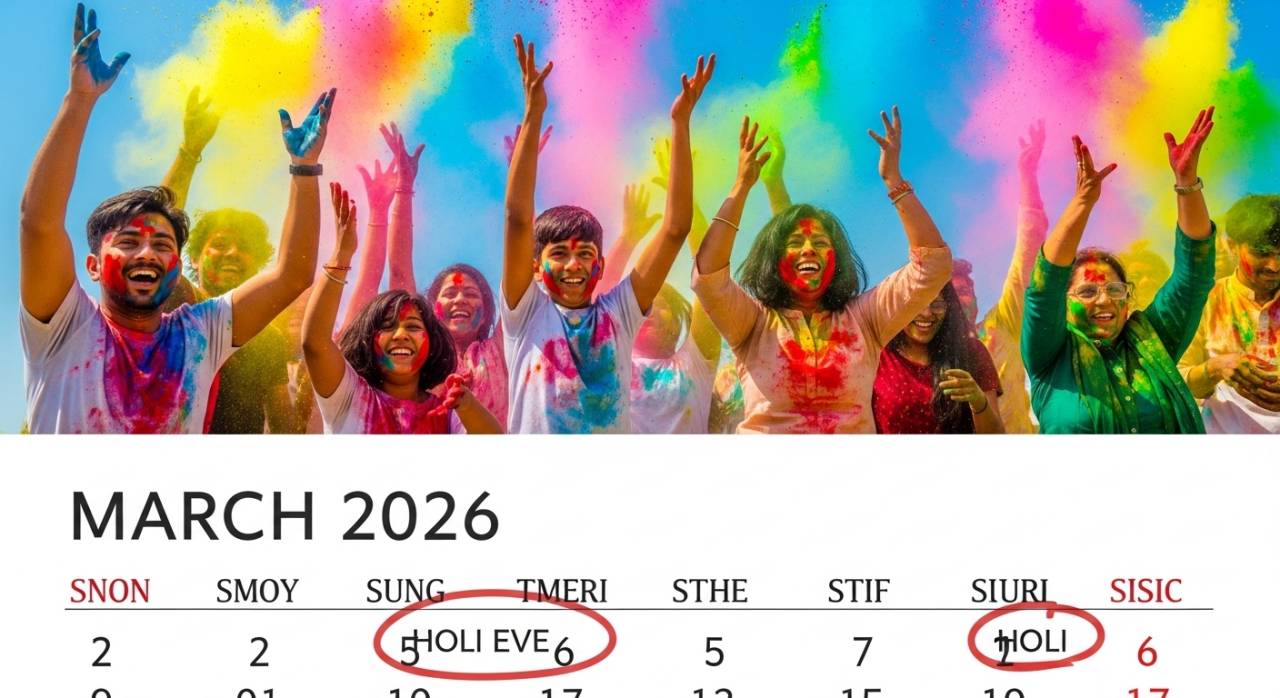
As we approach March 3, 2026, schools across India are preparing to celebrate Holi, the vibrant festival of colors that marks the arrival of spring and the triumph of good over evil. If you’ve been chosen to anchor your school’s Holi assembly, congratulations! This is your opportunity to shine on stage while educating your peers about celebrating this beautiful festival responsibly.
In today’s world, where environmental consciousness and student safety are paramount concerns, your anchoring script needs to go beyond just entertainment. It must weave together traditional mythology, modern environmental awareness, and engaging content that resonates with students, teachers, and parents alike.
This comprehensive guide provides you with a complete Holi anchoring script for 2026, along with speech ideas, safety tips, eco-friendly celebration concepts, and practical hosting advice that will make your assembly truly unforgettable.
Understanding Holi 2026: Key Dates and Significance
Before we dive into the anchoring script, let’s establish the important dates for Holi 2026:
Holika Dahan: Monday, March 2, 2026 (evening) Holi (Dhuleti/Rangwali Holi): Tuesday, March 3, 2026
Holi falls during a critical time in the academic calendar when board exams are either ongoing or approaching. This makes it essential to promote a celebration that is brief, safe, and doesn’t interfere with students’ health or academic preparation.
The Complete Holi Anchoring Script for School Assembly 2026
Opening: Creating an Energetic Atmosphere
[Anchors walk onto the stage wearing traditional white attire with colorful accessories. Soft traditional music plays in the background.]
Anchor 1: “A very good morning to our respected Principal, esteemed teachers, and my dear friends gathered here today!”
Anchor 2: “As we stand on the threshold of spring, nature prepares to paint the world in magnificent hues. Today, we gather to celebrate Holi, India’s most colorful and joyous festival!”
Anchor 1: (Reciting Shayari)
“Rang birangi pichkari, gulaal ki bauchar ho,
Mithai ki meethas, apno ka pyaar ho,
Yahi to asli Holi ka tyohaar ho!”
Anchor 2: “Today is not just about colors and festivities. It’s about celebrating the victory of righteousness over evil, the warmth of relationships, and the beauty of togetherness!”
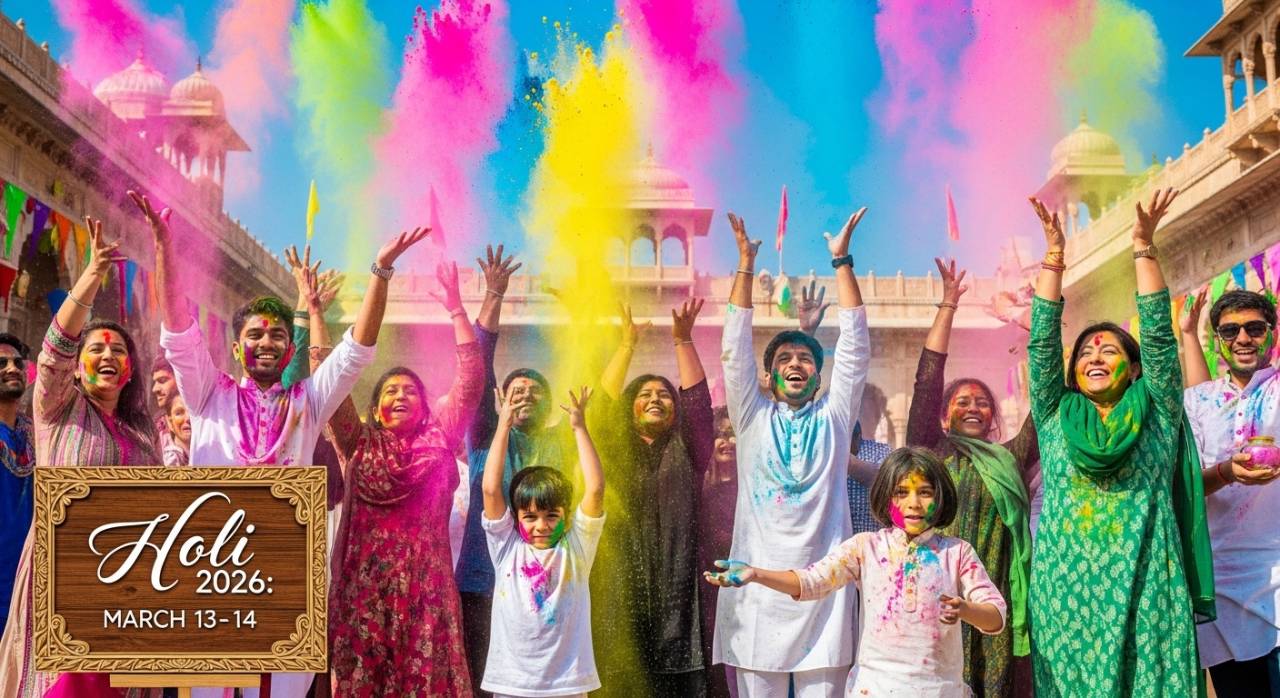
Segment 1: The Sacred Story Behind Holi
Anchor 1: “Before we immerse ourselves in colors and celebration, let’s understand the profound spiritual significance of this festival. Why do we celebrate Holi? What message does it carry for us?”
Anchor 2: “To enlighten us with the legendary tale of Prahlad and Holika, I would like to invite [Student Name] to share this ancient story.”
[Student comes forward to narrate the story]
Sample Speech on Holi Mythology:
“Respected Principal, teachers, and my fellow students, good morning to all.
The story of Holi takes us back to ancient times when the demon king Hiranyakashipu ruled with tyranny and arrogance. Blinded by his powers, he demanded that everyone worship him as God. However, his own son, the young and devoted Prahlad, refused to do so. Despite being just a child, Prahlad remained steadfast in his devotion to Lord Vishnu.
Enraged by his son’s defiance, Hiranyakashipu attempted numerous ways to eliminate Prahlad, but divine protection kept the boy safe. Finally, the king sought help from his sister, Holika, who possessed a magical shawl that made her immune to fire.
On the night of a full moon, Holika sat in a blazing fire with little Prahlad in her lap, confident that while she would survive, the boy would perish. But the divine has its own ways. Due to her evil intentions, Holika’s protective shawl flew away and covered Prahlad instead. Holika was reduced to ashes while Prahlad emerged unharmed, chanting the name of Lord Vishnu.
This is why, even today, we light the Holika Dahan bonfire on the night before Holi. We burn our ego, negativity, jealousy, and hatred in that fire, preparing ourselves to embrace the colorful dawn of positivity, love, and brotherhood.
The message of Holi is clear: truth always triumphs over falsehood, devotion overcomes adversity, and good will always prevail over evil. Thank you!”
Anchor 1: “Thank you for that enlightening narration. Indeed, Holi teaches us that no matter how powerful evil may seem, goodness and truth will always emerge victorious.”
Segment 2: The Eco-Friendly Holi Pledge (Critical Section)
Anchor 2: “Friends, while the story of Holi is timeless, the way we celebrate has evolved. Today, we face new challenges that our ancestors never encountered.”
Anchor 1: “Chemical-laden colors harm our skin and eyes. Excessive water wastage strains our precious resources. And sometimes, in our excitement, we forget to be kind to animals and the environment.”
Anchor 2: “As responsible citizens and conscious students, we must redefine how we celebrate. Today, let us all take a solemn pledge together.”
[Both anchors raise their right hands and lead the audience]
The Eco-Friendly Holi Pledge:
“On this auspicious day, we, the students of [School Name], solemnly pledge:
- To celebrate Holi with natural, organic colors made from flowers, turmeric, and herbs
- To minimize water usage and avoid wasting this precious resource
- To protect animals from harmful colors and respect all living beings
- To celebrate responsibly, keeping our health and studies as priorities
- To spread awareness about eco-friendly celebrations in our families and communities
- To make this Holi a festival of true joy, not harmful indulgence
We promise to be the change-makers who celebrate traditions while protecting our planet. Happy Safe Holi!”
Anchor 1: “Let this pledge echo beyond these walls. Each one of us has the power to influence our families and neighborhoods to celebrate sustainably.”
Segment 3: DIY Natural Colors Workshop
Anchor 2: “You might be wondering, where do we get these natural colors? The answer is simple—our own kitchens!”
Anchor 1: “Let me share some amazing recipes for making your own organic colors at home.”
Natural Color Recipes:
For Vibrant Yellow: Mix two tablespoons of turmeric powder (haldi) with gram flour. Add a few drops of lemon juice for extra brightness.
For Fresh Green: Combine dried henna powder with a few drops of water. You can also use spinach leaves, dried and powdered.
For Beautiful Red: Grind dried red hibiscus flowers or use red sandalwood powder. Beetroot powder also works wonderfully.
For Soothing Orange: Mix turmeric with a small amount of red sandalwood to create a gorgeous orange shade.
For Royal Purple: Blend beetroot with blue-colored cornflower petals.
Anchor 2: “These colors are not only safe for your skin but also wash off easily. Plus, making them at home can be a fun family activity!”
Segment 4: Comedy Break – Holi Humor
Anchor 1: “Now, let’s lighten the mood! After all, what’s Holi without laughter and joy?”
Anchor 2: “To tickle your funny bones, I invite our school’s talented comedian [Student Name] for a special Holi Hasya Kavita!”
[Student performer comes forward]
Sample Funny Shayaris and Jokes:
“Board exams hai paas, tension ka bojh hai khaas, Par Holi ke rang mein, bhool jao sab ujaas! Gulaal laga lo chehre par, tension ko do vidaai, Agar fail bhi ho gaye, to mummy se bolo ‘Bura na mano, Holi hai, bhaiyya!'”
(Pause for laughter)
“Teacher ne kaha, ‘Padhai karo bache!’ Main bola, ‘Ma’am, pehle colors ko to dho lunein sacche!’ Math mein zero aaye, Science mein fail ho jaun, Par Holi ke naam pe, itna to rang lagaun!”
(Another round of laughter)
“Gujiya khao, namkeen khao, mithai ki bhi bauchaar ho, Diet ka kya hoga? Arre bhai, aaj to tyohaar ho! Kal se shuru karenge gym, kal se karenge yoga, Aaj to bas Holi hai, color me duba sab kuch khoye ga!”
Anchor 1: (Laughing) “That was absolutely hilarious! Thank you for bringing such joy to our celebration!”
Segment 5: Musical Performance
Anchor 2: “Now, to truly capture the spirit of Holi, we have a special musical performance. Let’s welcome our talented singers who will present traditional Holi songs.”
[Students perform traditional Holi songs like “Rang Barse,” “Holi Khele Raghuveera,” or “Do Me A Favor Let’s Play Holi”]
Segment 6: Safety Tips and Guidelines
Anchor 1: “Before we conclude, let’s talk about some important safety guidelines for celebrating Holi responsibly.”
Anchor 2: “Please pay close attention, as these tips will help ensure that our celebration remains joyful and injury-free.”
Essential Safety Guidelines:
For Your Skin and Eyes:
- Apply coconut oil or moisturizer before playing with colors to protect your skin
- Wear sunglasses or protective eyewear to shield your eyes from color particles
- Never apply colors on someone’s eyes, lips, or sensitive areas
- If color enters your eyes, rinse immediately with clean water
For Your Health:
- Avoid synthetic colors that contain harmful chemicals like lead, mercury, and chromium
- Don’t consume colored sweets from unknown sources
- Stay hydrated throughout the celebrations
- If you have allergies or sensitive skin, inform your friends beforehand
For Animals:
- Never throw colors or water on stray animals or pets
- Animals cannot consent and may suffer severe stress and health issues
- Keep your pets safely indoors during Holi celebrations
For Water Conservation:
- Use minimal water; prefer dry colors (gulaal) over wet celebrations
- Remember that many regions face water scarcity
- One day of excessive water play can waste thousands of liters
For Academic Balance:
- Keep celebrations brief—1-2 hours is sufficient
- Avoid getting completely drenched as you need to return to your studies
- Don’t let the celebration disrupt your exam preparation schedule
Anchor 1: “Remember, being responsible doesn’t make you less fun. It makes you more mature and thoughtful!”
Segment 7: Special Address by Teacher/Principal
Anchor 2: “We would now like to invite our [Principal/Teacher Name] to share some words of wisdom and bless this gathering.”
[Principal/Teacher addresses the assembly with inspirational message about balancing tradition with modernity, celebrating responsibly, and academic dedication]
Closing: Vote of Thanks and Conclusion
Anchor 1: “As we bring this colorful assembly to a close, let me express our heartfelt gratitude.”
Anchor 2: “We sincerely thank our Principal Ma’am/Sir for gracing this occasion and for always guiding us toward holistic development.”
Anchor 1: “Our heartfelt thanks to all our teachers for their constant support and for teaching us to celebrate with consciousness and care.”
Anchor 2: “Thank you to all the talented students who participated in today’s performances and made this assembly vibrant and memorable.”
Anchor 1: “And most importantly, thank you to all of you, our wonderful audience, for your attention, energy, and enthusiasm.”
Anchor 2: “As we step into this colorful festival, let’s remember that the true essence of Holi lies not in the colors we apply on others, but in the love, forgiveness, and joy we spread.”
Anchor 1: “Let’s promise to carry forward the values of friendship, unity, and environmental responsibility that we discussed today.”
Anchor 2: “May this Holi bring new colors of success to your academic journey, paint your life with happiness, and fill your hearts with the warmth of loving relationships.”
Both Anchors Together: “From all of us, here’s wishing everyone a very Happy, Safe, and Eco-Friendly Holi 2026! Bura na mano, Holi hai!”
[Assembly concludes with everyone dispersing while soft Holi music plays in the background]
Also Read:- Marathi Bhasha Gaurav Din Anchoring Script 2026: Complete Sutrasanchalan Guide for Schools
Pro Tips for Hosting a Memorable Holi Assembly
1. Perfect Your Stage Presence
Confidence is Key: Practice your script multiple times before the actual day. Record yourself and watch the playback to identify areas for improvement.
Eye Contact: Don’t just read from the paper. Make eye contact with your audience to create connection and engagement.
Voice Modulation: Vary your tone, pitch, and pace. Important points should be emphasized, while humorous segments should be delivered with a lighter tone.
Body Language: Stand tall, use appropriate hand gestures, and smile genuinely. Your enthusiasm is contagious!
2. Coordination with Co-Anchor
Chemistry Matters: Practice with your co-anchor beforehand to ensure smooth transitions and natural interaction.
Equal Participation: Distribute dialogues fairly so neither anchor dominates or disappears.
Backup Plan: Be prepared to cover for your partner if they forget their lines or face technical difficulties.
3. Dress Code and Aesthetics
Traditional White Attire: Nothing captures the spirit of Holi better than pristine white clothes that await colors. Request permission for a special dress code.
Colorful Accessories: Add vibrant dupattas, scarves, or stoles to your white outfit. You can also wear colorful bangles or accessories.
Comfortable Footwear: Choose comfortable shoes as you’ll be standing for extended periods.
Light Makeup: Keep makeup minimal and natural, especially if you plan to play with colors afterward.
4. Technical Preparations
Microphone Check: Arrive early to test the audio system. Nothing kills the energy like technical glitches.
Music Cues: Coordinate with the person handling music to ensure smooth transitions between segments.
Prop Management: If using props (like colorful scarves or flowers), organize them backstage beforehand.
Script Backup: Keep a printed copy and have a backup on your phone. Technology can fail, but your preparation shouldn’t.
5. Time Management
Stick to Schedule: School assemblies typically run for 20-30 minutes. Plan each segment accordingly.
Buffer Time: Always have a few extra jokes or shayaris ready in case you finish early or need to fill time.
Practice Timing: Rehearse with a stopwatch to ensure you don’t exceed the allotted time.
6. Audience Engagement
Interactive Elements: The pledge, for example, involves the entire audience and makes them active participants.
Ask Questions: “Who here has made natural colors at home?” can energize the crowd.
Acknowledge Reactions: If the audience laughs at a joke, pause and smile. Don’t rush through their enjoyment.
Include Everyone: Make eye contact with different sections of the audience, not just the front row or teachers.
Additional Content Ideas for Your Holi Assembly
Holi Around India: Regional Celebrations
You can add a brief segment about how Holi is celebrated differently across India:
- Uttar Pradesh: Lathmar Holi in Barsana where women playfully beat men with sticks
- West Bengal: Dol Jatra with processions and devotional songs
- Punjab: Hola Mohalla featuring martial arts displays
- Maharashtra: Rang Panchami celebrated five days after Holi
- Goa: Folk songs and cultural programs mark the celebration
Famous Personalities and Holi
Share interesting facts about how famous personalities celebrate or have celebrated Holi, making it relatable for students.
Holi in Literature and Art
Briefly mention how Holi has been depicted in famous paintings, poems, or literature, connecting the festival with academics and culture.
Frequently Asked Questions About Hosting Holi Assembly
Q1: What if I forget my lines during the assembly?
Don’t panic! Take a deep breath, glance at your script if needed, or let your co-anchor take over while you recollect. Remember, even professional anchors sometimes forget lines. Your confidence in recovery matters more than the mistake itself.
Q2: How do I handle unexpected situations like students being disruptive?
Maintain your composure and politely request attention. You can use humor: “I see some colorful energy in the back! Let’s channel it toward our celebration!” If disruption continues, let teachers handle discipline while you proceed.
Q3: Should I memorize the entire script?
Memorize the opening, closing, and key transitions. For longer segments like explanations and lists, it’s acceptable to refer to notes. Just ensure you’re not reading constantly.
Q4: How can I make the assembly interactive despite time constraints?
Use quick response techniques: “Raise your hand if you’ve made natural colors!” or “Let’s hear a collective ‘Happy Holi!'” These take seconds but boost engagement.
Q5: What if the principal wants to speak longer than planned?
Always have a flexible script. If time runs short, you can skip the comedy segment or shorten certain sections. The key messages (mythology, safety, eco-friendliness) should never be compromised.
Q6: How do I ensure my assembly stands out from previous years?
Incorporate current themes like sustainability, add multimedia elements if available, include student testimonials, or create a short video montage about eco-friendly celebrations. Innovation within tradition is the key.
Conclusion: Beyond the Assembly
Your role as an anchor extends beyond just reading lines on stage. You are an educator, an entertainer, and an influencer who can shape how your entire school community celebrates Holi. By emphasizing eco-friendly practices, safety, and the deeper spiritual meaning of the festival, you contribute to creating responsible citizens.
Remember, the best assemblies are those where the audience leaves not just entertained but also enlightened. If even one student decides to use natural colors or protect an animal from harmful dyes because of your words, you’ve succeeded in making a real difference.
As you step onto that stage on March 3, 2026, or during your school’s Holi celebration, carry with you the confidence that you’re not just hosting an event—you’re continuing a beautiful tradition while adapting it for a better tomorrow.
May your anchoring be as vibrant as the colors of Holi, as warm as the spring sunshine, and as memorable as the festival itself!
Happy Holi 2026! Bura na mano, Holi hai!