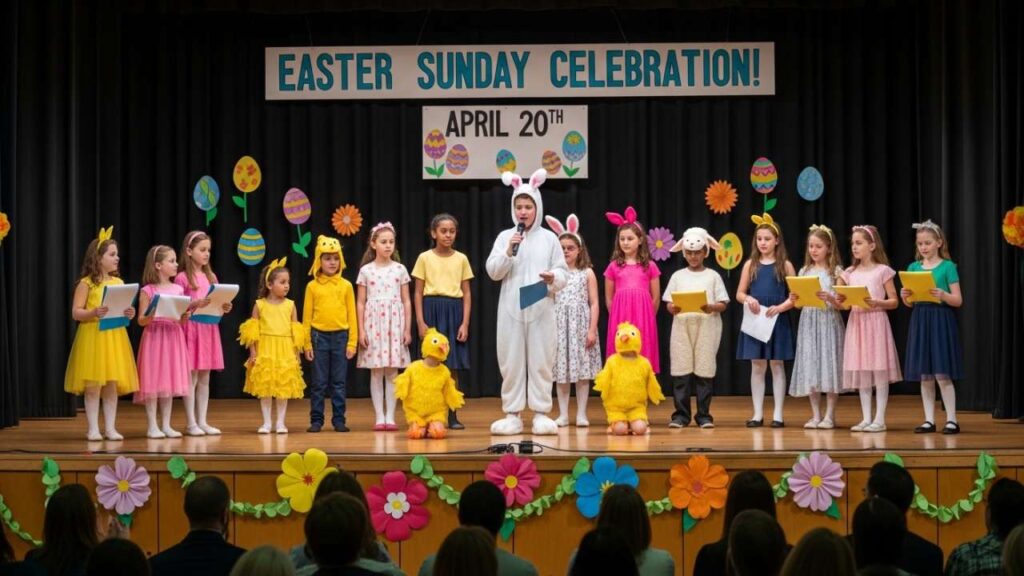
Easter is one of the most meaningful celebrations in schools and churches worldwide. When April 20 rolls around, teachers and coordinators start planning how to make this day special for students. One of the best ways to engage children and convey the true meaning of Easter is through a well-crafted school script. Whether you’re managing a small classroom performance or a large school assembly, having the right Easter script can turn the celebration into an unforgettable experience.
In this guide, you’ll discover everything you need to know about creating and performing an Easter Sunday school script in English that resonates with your audience and keeps students engaged from start to finish.
What Exactly Is an Easter School Script?
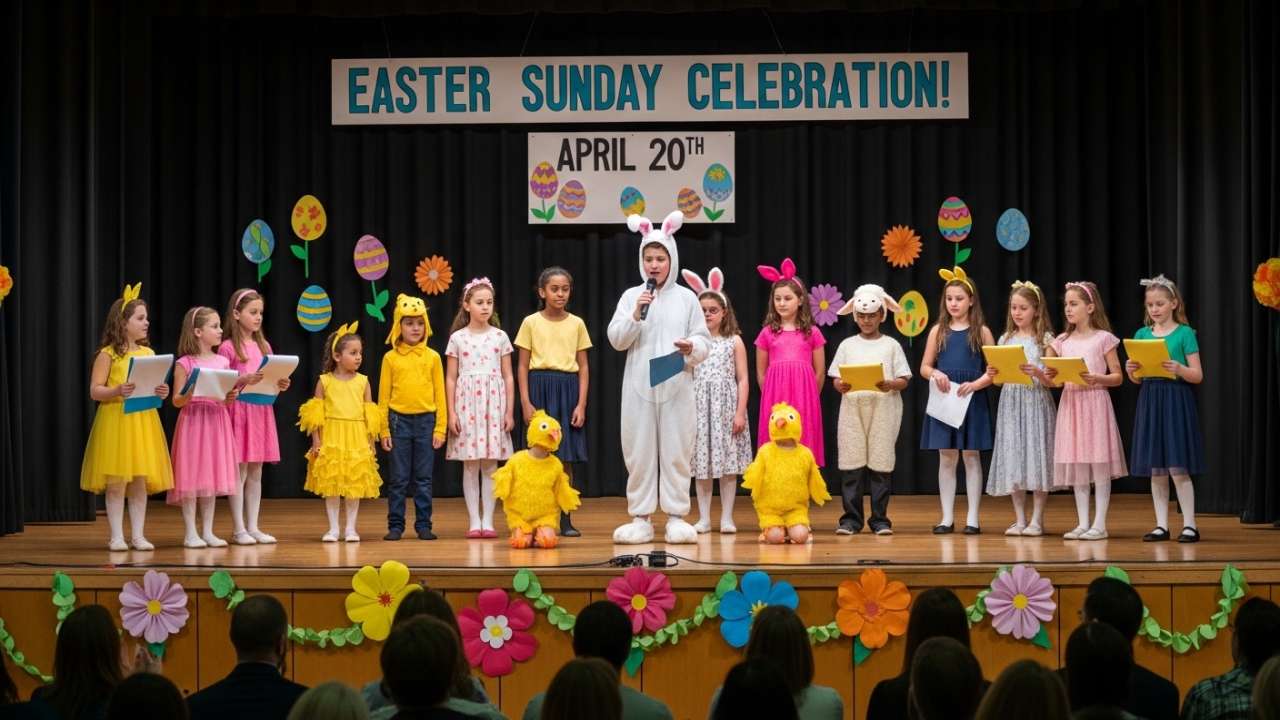
An Easter school script is a written performance piece designed for children, youth, or mixed groups to perform during Easter celebrations. It’s more than just reading lines—it’s a creative way to tell the Easter story, teach its meaning, and bring biblical history to life in a way that modern kids can understand and connect with.
These scripts range from simple 5-minute performances to elaborate 30-minute productions. Some focus entirely on the religious significance of the Resurrection, while others blend humor with the message, making them suitable for various age groups and settings.
The beauty of an Easter school script is its flexibility. You can use a pre-written script as-is, adapt it to fit your group size, modify lines to match your audience’s age level, or even mix elements from different scripts to create something unique for your school.
Also Read:- Earth Day Anchoring Script 2026: Complete Guide with Interactive Assembly Ideas
Why Easter Scripts Matter for April 20 School Events
When you’re planning an Easter event for April 20, a script provides structure and purpose. Rather than simply having an Easter egg hunt or decorating the cafeteria, a performed script brings the entire message home.
Kids remember performances. They remember the emotions, the moments, and the lessons. A good Easter script helps students understand that Easter isn’t just about chocolate bunnies and colorful eggs—it’s about hope, resurrection, redemption, and new beginnings.
From a practical standpoint, scripts also reduce stress for teachers and coordinators. You have a clear roadmap. You know who speaks when, how long the performance lasts, and what props you’ll need.
How Long Should Your Easter Script Be?
The length of your Easter school script depends on several factors:
For preschool and early elementary (ages 4-7): Keep scripts between 5-10 minutes. Young children have shorter attention spans, and keeping the performance brief ensures they stay focused and engaged.
For older elementary (ages 8-11): A 10-15 minute script works well. Kids this age can handle more complex stories and more speaking parts.
For middle and high school: You can go up to 20-30 minutes. Older students appreciate nuance and can handle more dramatic elements.
Remember, it’s always better to keep a performance slightly shorter than planned. Children get excited, lines get mixed up, and technical issues happen. A script that runs 12 minutes when you planned for 15 is perfect.
Creating Your Easter Script: Step-by-Step Approach
Start with Your Story
The foundation of any good Easter script is a compelling story. The core Easter narrative comes from the four Gospels, particularly John 20:1-18, which describes Mary Magdalene finding the empty tomb. But you can approach this story from different angles:
- The Classic Resurrection Story: Follow the biblical account directly, with characters like Mary Magdalene, the disciples, and the angel at the tomb.
- A Character’s Personal Perspective: Tell the Easter story through one person’s eyes—perhaps a Roman soldier guarding the tomb or a disciple wrestling with doubt.
- A Modern Connection: Set an Easter message in a contemporary setting where kids find parallels to their own lives.
- A Humorous Take: Balance humor with the serious message. Kids laugh, remember, and learn.
Also Read:- School Investiture Ceremony Anchoring Script 2026
Choose Your Cast Size Wisely
Match your script to how many students need to participate. A good Easter script should be inclusive. If you have 30 students and a script with only 8 speaking parts, you’ve lost 22 kids’ potential engagement.
Look for scripts with flexible casting. Many scripts include narrator roles that can be split among multiple students. Some allow you to add extra characters or crowd roles without changing the core story.
Make Language Accessible
Using language that kids actually understand is crucial. Avoid overly archaic or biblical language unless you’re specifically aiming for that style. Phrases like “Verily, I say unto thee” might be historically accurate, but modern kids tune out.
However, don’t oversimplify either. Kids appreciate being taken seriously. Use clear, direct English that respects their intelligence while remaining accessible.
Build in Natural Breaks
Good Easter scripts include natural stopping points. These breaks serve multiple purposes:
- Kids need moments to breathe and shift between scenes
- You can add songs, music, or movements between spoken sections
- The audience gets a chance to absorb what they’ve heard
- It prevents the performance from feeling like a nonstop marathon of dialogue
Common Themes in Effective Easter School Scripts
The Empty Tomb Discovery
This is the heart of the Easter story. Scripts that focus on someone discovering the empty tomb—and the shock and wonder that follows—create powerful emotional moments. It’s the turning point where everything changes.
Doubt and Belief
Many scripts include a character who doubts the Resurrection at first. This is relatable. Kids see themselves in these doubters. Watching doubt transform into belief makes for compelling drama and teaches an important lesson about faith.
Personal Transformation
The best Easter scripts show how encountering the risen Jesus changes people. Whether it’s a disciple finding courage, a skeptic finding faith, or a sad person finding joy, transformation creates emotional resonance.
Community and Hope
Scripts that emphasize how the Resurrection brought the scattered disciples back together, and how it offers hope to us today, create a sense of connection and purpose.
What Do You Need to Perform an Easter School Script?
Minimal Props Approach
You don’t need elaborate staging. A simple white sheet over a table becomes the empty tomb. A robe and headpiece become biblical costume. A flashlight creates dramatic lighting effects. Props should enhance the story but not require months of prep work.
Costume Ideas That Work
- Simple robes made from bedsheets or fabric
- Headpieces created from scarves or headbands
- Signs identifying characters (disciples, soldiers, women)
- Modern casual clothing if you’re doing a contemporary version
Sound and Music
Adding one or two Easter songs between scenes lifts the emotional impact. Popular choices include “He Is Risen,” “Christ the Lord Is Risen Today,” or contemporary Easter songs that kids recognize.
Even without a music system, a few kids can sing acapella and create a beautiful moment.
Staging Considerations
You need minimal space. A classroom corner works. A gymnasium works. Even an outdoor area works on a nice April day. The key is that the audience can see and hear the performance clearly.
Also Read:- St. Patrick’s Day Anchoring Script for School Events: Complete Guide with Ready-to-Use Templates
How to Choose Between Writing Your Own Script vs. Using an Existing One
Use an existing script if:
- You have limited prep time
- You want proven material that’s been tested with kids
- You’re uncertain about your writing abilities
- You want to focus energy on rehearsals rather than creation
Write your own script if:
- You want something specifically tailored to your group
- You want to include inside jokes or local references
- You have specific themes or messages you want to emphasize
- Your group is small and benefits from a more personalized approach
Many teachers find a happy middle ground: they start with an existing script and adapt it. They change a few lines, add a character, adjust cultural references, or modify the ending to fit their vision.
| Download Easter School Script Planning Template | Click Here |
Frequently Asked Questions About Easter School Scripts
How Much Rehearsal Time Do Kids Need?
This depends on script length and complexity. A short 5-minute script might need just 2-3 rehearsals. A longer performance might need 4-6 rehearsals spread over a few weeks. Young kids need more repetitions to feel confident. Older kids learn faster but benefit from focused practice to perfect delivery.
Can Kids Read from Scripts During Performance?
Absolutely. Younger children often perform better with scripts in hand. It removes anxiety about memorization. Older kids typically memorize, but having scripts available as backup is smart.
What If Some Kids Are Shy About Performing?
Great scripts offer flexibility. Shy kids can have narrator roles, smaller parts, or even be involved in creating props and set design rather than performing. The goal is to include everyone in the Easter celebration, not forcing reluctant performers into uncomfortable situations.
How Do I Make the Easter Message Clear Without Being Preachy?
Show, don’t tell. When characters experience the Resurrection—the shock, the joy, the transformation—the message comes through. A 30-second explanation of theology doesn’t stick like a dramatic moment where characters encounter the risen Jesus.
Should Our Easter Script Be Funny?
Humor can be incredibly effective. It keeps kids engaged and makes the message memorable. However, balance is important. The humor should support the message, not overshadow it. A script that’s all jokes with no heart won’t resonate. A script that balances genuine moments with light humor works beautifully.
What If Our School Isn’t Religious?
You can still do Easter scripts. Focus on the historical event, the universal themes (hope, new beginnings, overcoming challenges), or the cultural traditions. Many secular schools perform spring or renewal-themed scripts that celebrate new life without focusing on religious doctrine.
Can We Perform This Script Multiple Times?
Yes! Some schools perform for different grade levels or age groups. Some perform for morning assembly and the afternoon parents. Multiple performances give more kids chances to participate in different roles and provide more community involvement
Conclusion: Making Easter Meaningful Through Performance
An Easter school script for your April 20 event transforms a day into a meaningful experience. Whether your performance is five minutes or thirty minutes, whether it’s performed in a classroom or an auditorium, whether it’s entirely religious or culturally focused, the power lies in bringing kids together around a story that matters.
The Resurrection has inspired people for nearly 2,000 years because it speaks to something fundamental: hope in darkness, life after death, and the possibility of profound transformation. When kids perform these themes, when they speak these lines and move through these scenes, they don’t just recite words. They internalize a message that stays with them.
Your April 20 Easter script doesn’t need to be perfect. It needs to be genuine, age-appropriate, and engaging. With the guidance in this article and a willingness to adapt existing scripts or create your own, you’ll create an Easter celebration that students remember long after spring turns to summer.