21 February is not just another date on the calendar. It is Matribhasha Diwas – the day the entire world, and especially we in India, stop to honour the language we first heard in our mother’s lap, the one our grandparents told bedtime stories in, the one that still feels like home when we speak it.
This day reminds us that language is more than words. It is identity, emotion, culture, and pride. Whether you speak Tamil at home, Punjabi with friends, Marathi in the market, or Bengali during Durga Puja – today is your day to speak it loudly and feel proud.
For school anchors, this is the trickiest yet most beautiful event of the year. You cannot stick to only English. The real magic happens when the script becomes a multilingual mix – English for flow, Hindi for connection, and touches of regional languages so every child in the hall feels seen.
Below is a complete, ready-to-use anchoring script for Matribhasha Diwas 2026, freshly written by blending the classic spirit of the day with the latest UNESCO theme, NEP 2020 connection, history, fun activities, powerful quotes (including Nelson Mandela), tables for quick reference, and everything you need to host an unforgettable assembly.
The Story Behind 21 February – Why This Date Matters
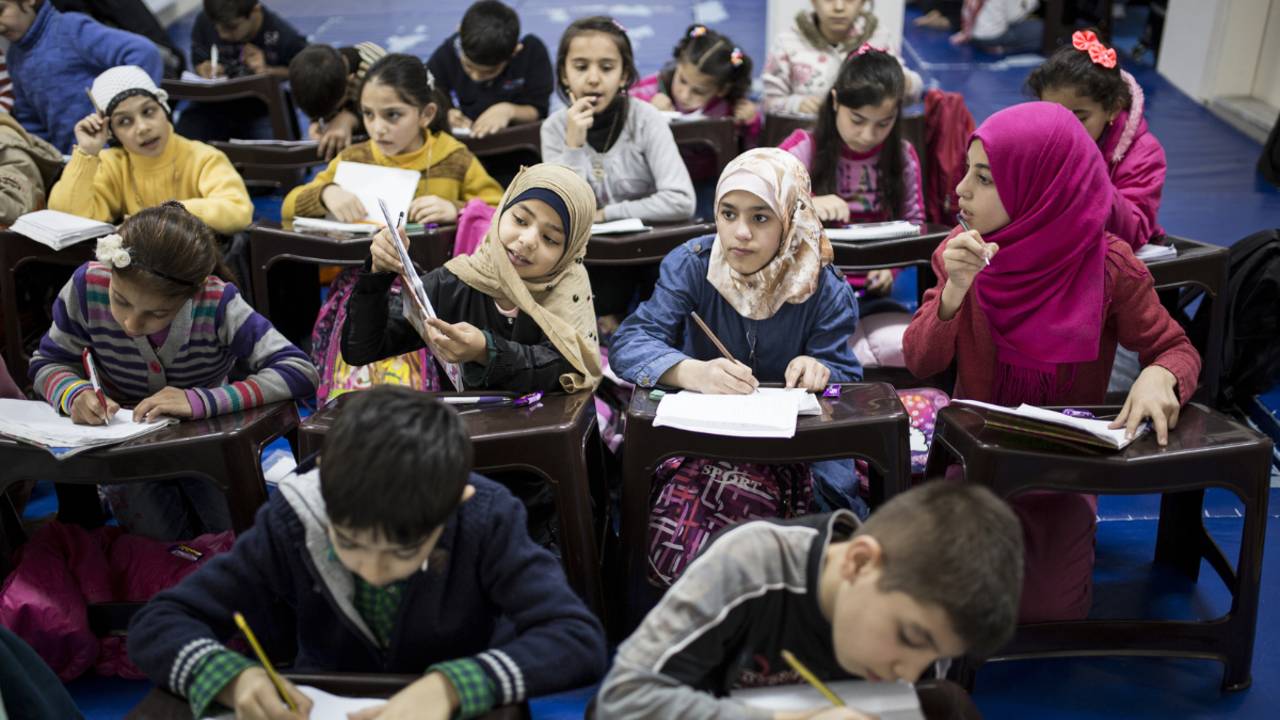
On 21 February 1952, in Dhaka, a group of students did something extraordinary. They marched peacefully demanding that Bangla be given the status of an official language along with Urdu. The police opened fire. Students Abdus Salam, Rafiq Uddin Ahmed, Abul Barkat, Abdul Jabbar, and Shafiur Rahman laid down their lives. Their sacrifice became known as the Bengali Language Movement.
That single day changed history. It led to the recognition of Bangla, and years later, to the birth of Bangladesh. In 1999, UNESCO chose this date to create International Mother Language Day. The United Nations welcomed the idea in 2002.
Today, more than 7,000 languages are spoken on Earth, yet nearly half the world’s children study in a language they don’t fully understand. One language disappears every two weeks. Matribhasha Diwas is our chance to say: no more.
UNESCO Theme 2026: Youth Voices on Multilingual Education
This year’s official theme is “Youth Voices on Multilingual Education”. UNESCO is handing the mic to students aged 13–18. They want you to share your stories, create reels and videos in your mother tongue, and tell the world why learning in your own language matters.
There is even a special online UNESCO Campus Event on 13 February 2026 – schools from anywhere can join.
In India, this theme fits perfectly with National Education Policy 2020:
- Study in mother tongue till at least Class 5 (preferably till Class 8)
- Three-language formula
- Textbooks and teaching in regional languages
- Special focus on classical languages and tribal languages
When children learn first in the language they think in, they understand maths, science, and even English much faster. That is the science behind celebrating Matribhasha Diwas.
Complete Anchoring Script – Matribhasha Diwas 2026
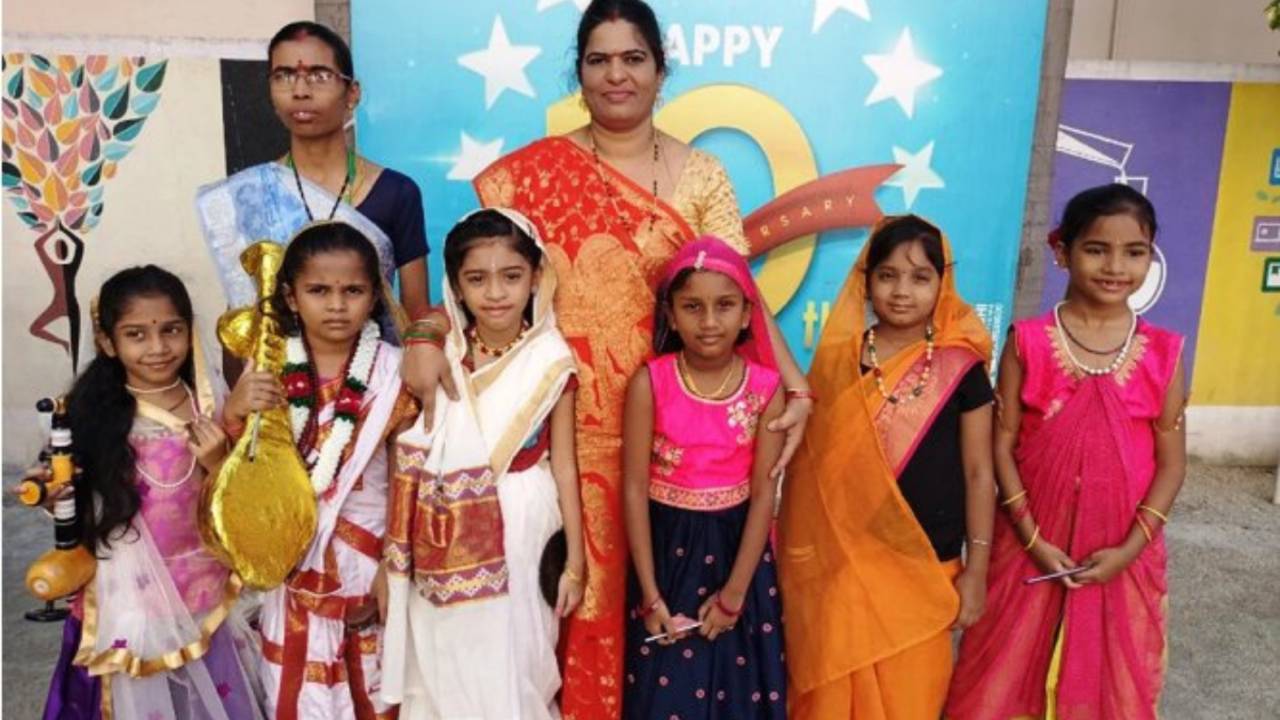
Stage Setup Anchors in ethnic clothes (kurta, saree, salwar, lehenga – no suits or blazers). Stage decorated with rangoli of different scripts, posters of 22 scheduled languages, and open books in Tamil, Punjabi, Bengali, etc. Soft fusion music playing.
Part 1: Grand Welcome
Anchor 1 (bright smile): “Good morning respected Principal Sir/Ma’am, teachers, parents, and my dear friends! Let us welcome everyone in our beautiful languages!”
- Hindi: Namaste
- Punjabi: Sat Sri Akal
- Tamil: Vanakkam
- Bengali: Nomoshkar
- Marathi: Namaskar
- Gujarati: Kem Chho
- Telugu: Namaskaram
- Kannada: Namaskara
- Malayalam: Namaskaram
- Urdu: Assalamualaikum
Anchor 2 (warm Hindi): “आप सभी को अंतरराष्ट्रीय मातृभाषा दिवस 2026 की हार्दिक शुभकामनाएँ! आज का थीम है Youth Voices on Multilingual Education। हम युवा अपनी मातृभाषा को नई ऊँचाइयों पर ले जाएंगे!”
Anchor 1: “Today is 21 February – the day UNESCO chose to honour the language we learned from our mothers. It is not just how we talk; it is who we are.”
Anchor 2: “जिसे माँ की लोरी में सुना, दादी की कहानियों में जिया… आज उसी मातृभाषा को सलाम करने का दिन है।”
Part 2: Lamp Lighting
Anchor 1: “To start this auspicious occasion, let us light the lamp of knowledge. I invite our respected Principal to the stage.”
(While lighting)
Anchor 2 (Sanskrit shloka): “भाषासु मुख्यं मधुरं दिव्या गीर्वाण भारती। (Among languages, the divine speech of Bharati is the sweetest.)”
Part 3: The Real Story – Why 21 February?
Anchor 1: “We celebrate this day, but do we know why? To tell us the brave story of 1952, I invite [Student Name] to the stage.”
Student Speech (ready to use): “Respected teachers, did you know people actually sacrificed their lives just to speak their mother tongue? On 21 February 1952, students in Dhaka fought for Bengali. They became martyrs. UNESCO honoured their courage by creating this day. In India we have 22 scheduled languages. NEP 2020 says study in your own language first – it makes learning easier and stronger. Never feel ashamed to speak your mother tongue anywhere. If you respect your roots, the world will respect you. As Nelson Mandela ji said: ‘If you talk to a man in a language he understands, that goes to his head. If you talk to him in his language, that goes to his heart.’ Let us speak our languages from the heart!”
Part 4: Fun Game – Translation Twist
Anchor 2: “भाषा का उत्सव बोरिंग नहीं हो सकता! चलिए खेलते हैं Translation Twist!”
Anchor 1: “I will say one sentence in English. Students, translate it into your mother tongue – Marathi, Gujarati, Urdu, Tamil, Punjabi, Bengali, anything!”
Sentence: “I love my school very much.”
(Students come forward, speak proudly. Anchor 2 cheers: “Waah! Ek sentence, kitne alag-alag pyar ke andaaz! Yeh hai hamara India!”)
Part 5: Cultural Performances
Anchor 1: “Music has no language, yet it touches every heart. Let us welcome our choir for the beautiful song Mile Sur Mera Tumhara!”
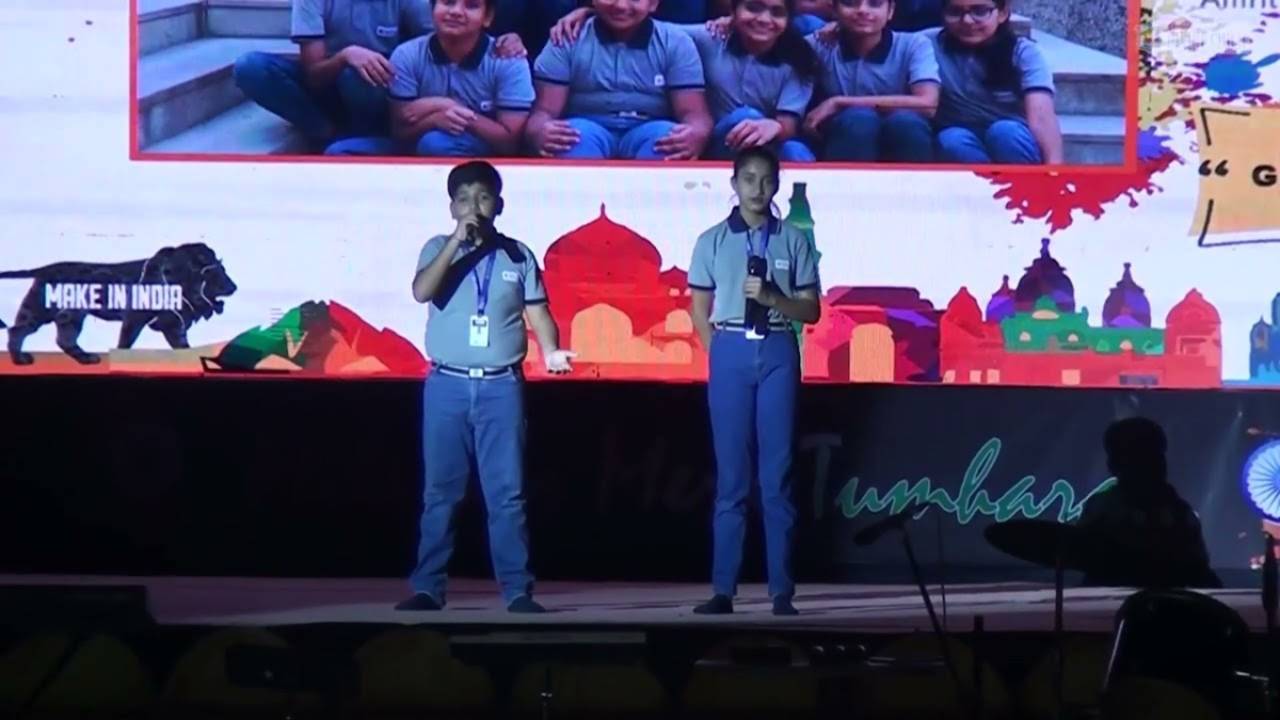
(After song) Anchor 2: “That performance truly showed Unity in Diversity!”
Other performances:
- Poem in 5 languages (one stanza each)
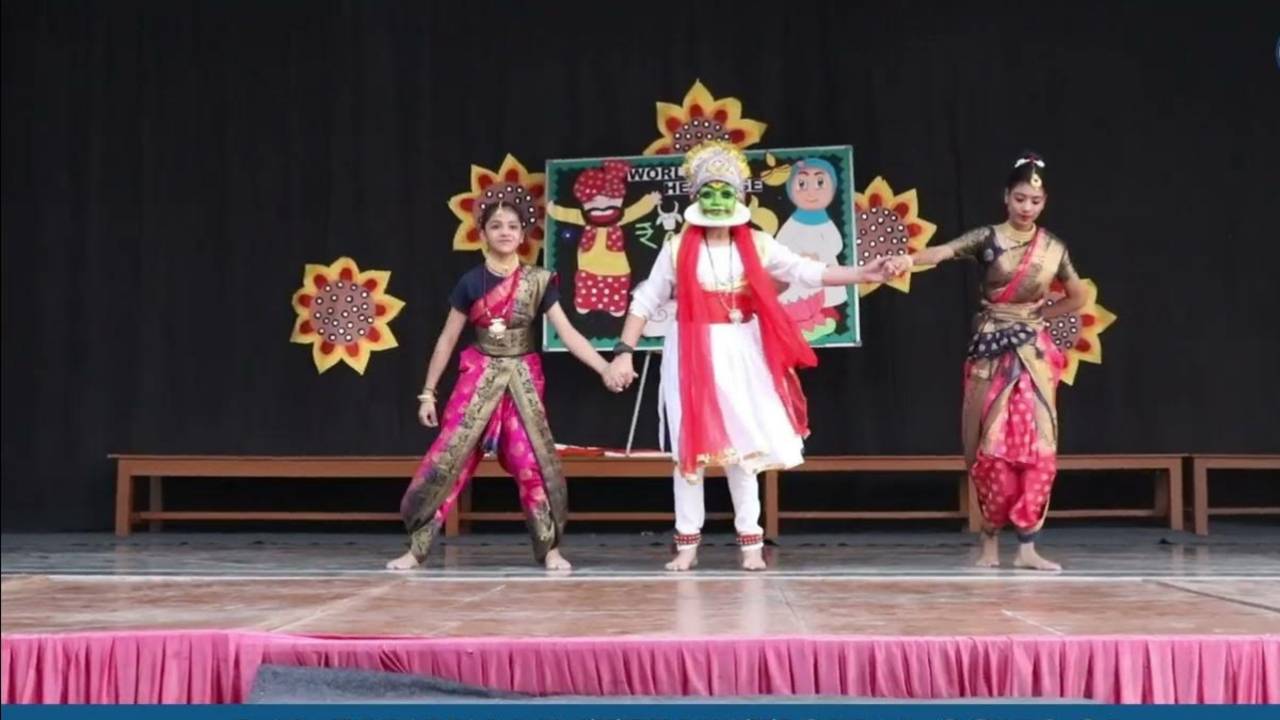
- Folk dance medley (Bhangra + Garba + Lavani + simple Kathakali steps)
Part 6: Conclusion & Promise
Anchor 1: “As we end, let us promise: Learn English for the world, but keep your mother tongue for your soul.”
Anchor 2: “अपनी भाषा, अपनी पहचान। हर भाषा का सम्मान करेंगे। Jai Hind!”
(End with National Anthem + short “Vande Mataram” in 3–4 languages)
Quick Reference Tables
22 Scheduled Languages of India Assamese, Bengali, Bodo, Dogri, Gujarati, Hindi, Kannada, Kashmiri, Konkani, Maithili, Malayalam, Manipuri, Marathi, Nepali, Odia, Punjabi, Sanskrit, Santali, Sindhi, Tamil, Telugu, Urdu.
Famous Quotes on Language Nelson Mandela: “If you talk to a man in his language, that goes to his heart.” Mahatma Gandhi: “A nation’s language is its soul.” Rabindranath Tagore: “The language of the heart is universal.”
Pro Tips for Hosts
- Dress ethnic – kurta, saree, salwar. It matches the cultural feel.
- Greet in 10+ languages at the start – every child will smile.
- Call students from every section (Hindi medium, English medium, regional).
- Record short reels of translations and dances. Share with #MatribhashaDiwas2026 #YouthVoicesMultilingual
- Mention NEP 2020 in speeches – shows your school is modern and thoughtful.
- Invite parents who speak different languages – it makes the day even more special.
Fun Activities You Can Add
- Translation Wall: Students write “My mother tongue is my pride” in their language.
- Reel Challenge: 30-second video in mother tongue explaining why languages matter.
- Story Circle: Teachers or grandparents tell stories in regional languages.
- Poster Making: “My Language, My Identity”.
- Multilingual Quiz on 22 languages.
FAQs (Most Searched Questions)
Q: What is the theme for 2026? A: Youth Voices on Multilingual Education (UNESCO).
Q: Is dance allowed? A: Yes! Folk medley is perfect.
Q: How does NEP 2020 connect? A: Mother tongue till Class 5–8, three-language formula.
Q: Can we join the UNESCO event? A: Yes, on 13 February 2026 – free online for students 13–18.
Final Thought
On 21 February 2026, let your school not just observe Matribhasha Diwas – let it live it. Let every child speak, sing, laugh, and dream in the language that feels like home. Because when we respect every language, we respect every Indian.
Apni bhasha boliye… dil se. Happy Matribhasha Diwas 2026!
Also Read:- Shivaji Jayanti 2026: Complete Anchoring Script for Host 1 & Host 2 (English)